

Where to Place a Floor Stand: FSDU Placement That Sells

A floor stand (FSDU) can be the best salesperson in your shop, or an obstacle customers walk around. The difference is mostly where you put it, whether it’s actually out on the floor, and how crowded the space around it is. Here’s what research on in-store displays shows, and how to use it.
Key takeaways
- Displays work when they reach the shop floor: in one large US study, a display lifted sales of the featured product by about 7%, but 29% of displays never made it out.
- Aisle ends and the checkout area are strong spots. Unplanned buying is higher there than in the middle of an aisle.
- Back-of-store aisle ends can lift sales by drawing shoppers into the aisle, not just by selling from the stand.
- Put related products near each other. Placement can matter almost as much as price.
- Don’t block busy aisles. Clearing crowded aisles has been shown to raise sales.
Do floor displays really sell more?
Yes, when they’re used well. A 2024 study in Manufacturing & Service Operations Management (Zeng, Agarwal and Stamatopoulos) used in-store sensors to track around 15,000 displays across about 5,000 stores of a large US retailer. When a display was actually on the floor, sales of the featured product rose by about 7.3%. But 29% of displays never reached the shop floor, and those that did were up for only part of the campaign.
The lesson for brands and shop owners alike: a display in the stockroom sells nothing. Choose stands that are quick to set up and sturdy enough to stay out for the whole promotion.
Where to place a floor stand
| Spot | Why it works | Watch out for |
|---|---|---|
| Aisle ends (endcaps) | Shoppers pass aisle ends again and again. In a large US study, unplanned buying was higher for end-of-aisle and checkout displays than in-aisle ones. | Don’t narrow the aisle entrance |
| Back-of-store aisle ends | An Australian study found back endcaps lifted a brand’s total sales more than front ones, by acting like a billboard that pulls shoppers into the aisle. | Make the brand and product obvious from a distance |
| Front-of-store aisle ends | In the same study, front endcaps sold more directly from the display itself. | Keep it fully stocked |
| Near the checkout | Everyone passes. Good for small, impulse and gift items. | Keep queue space clear |
| Next to related products | Products that go together sell more when they’re close (for example crisps facing soft drinks). | Pick genuine pairings |
| Just past the entrance | The first place shoppers slow down and start looking. | Not right at the door, where it’s easily missed |


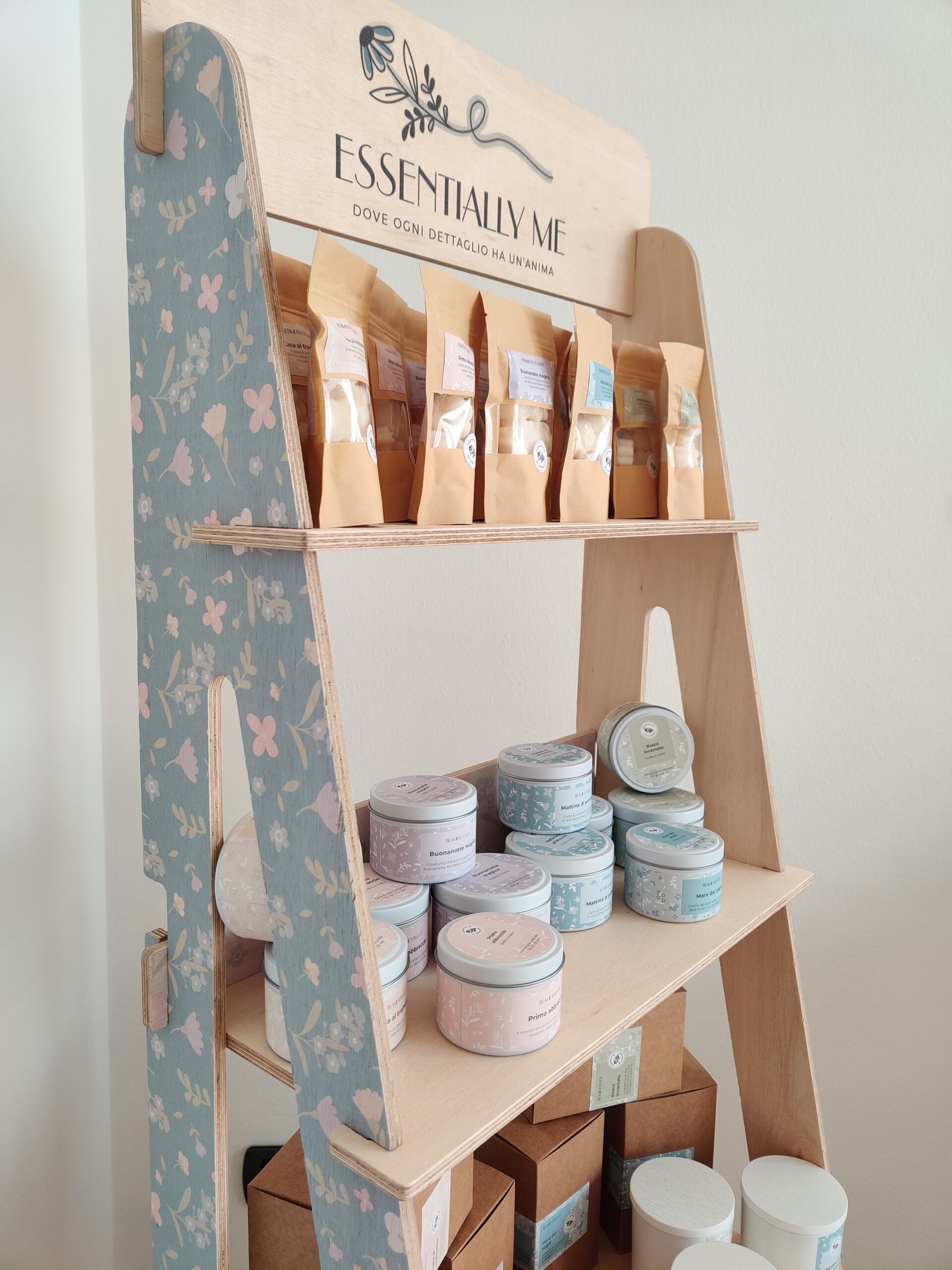
Pair products that sell together
A study in the Journal of Marketing (Bezawada and colleagues, 2009) found that placing crisps and soft drinks facing each other in the same aisle increased sales of both by more than 9% a week, while placing them an aisle apart reduced sales. The researchers concluded that placement can matter almost as much as price or promotion. A floor stand is the easiest way to create these pairings: wine and cheese boards, coffee and biscuits, candles and gift cards.
The "speed bump" display: use with care
A display in the middle of an aisle makes shoppers slow down. A US case study at Green Hills supermarket found that 15% of shoppers in the aisle stopped at an in-aisle cereal display. But a 2026 field study (Streicher, PLOS One) found that removing in-aisle displays from a crowded aisle raised sales by about 11.5%, because shoppers felt less hemmed in. In a small Irish shop with narrow aisles, a stand at the aisle end usually beats one in the middle. Ireland’s accessibility guidance, Building for Everyone, also advises against free-standing displays in aisles.
Displays can backfire
Not every display helps. A study of wine displays (Areni, Duhan and Kiecker, 1999) found that a point-of-purchase display reduced sales of the featured wines while competing wines sold more. A cluttered, confusing or badly placed stand can push shoppers to the alternative. Keep the message simple, the product easy to grab and the stand tidy.
How long should a floor stand stay up?
We couldn’t find reliable research on how quickly a display stops working, so be wary of anyone quoting a precise number of weeks. A practical approach:
- Keep promotional stands up for the full promotion, and check they’re out and full every week.
- Change the products, the header card or the position when sales flatten.
- Track sales from the stand before, during and after, so you know what it’s worth.
- Choose wooden stands you can re-use and re-brand for the next campaign. Read wood vs cardboard.
Checklist before you place an FSDU
- Is it at an aisle end, near the till, or beside related products?
- Can a buggy or wheelchair still pass easily?
- Is the product visible from where shoppers approach?
- Is it fully stocked, with a clear message?
- Who checks it every week?


Need a branded floor stand for your next promotion? See what goes into a custom FSDU, or send us your brief. Read the series: The Shop Floor Map and Eye Level Is Buy Level?
FAQ
Where is the best place for a floor display?
Usually an aisle end, the area near the checkout, or right beside products that go with it. Avoid blocking narrow aisles.
How much do floor displays increase sales?
It depends heavily on the shop and product. One large US study found about a 7% lift for the featured product when the display was actually on the floor. Results in other studies vary widely.
Should I put a display in the middle of an aisle?
Only if the aisle is wide and quiet. In busy or narrow aisles, research suggests clearing them can increase sales.
How often should I change my floor stand?
There’s no proven rule. Keep it up for the full promotion, keep it stocked, and refresh it when sales flatten.
Sources
- Zeng, Agarwal & Stamatopoulos (2024): display compliance and sales (summary)
- Tan et al. (2018): sales effectiveness of differently located endcaps
- University at Buffalo: Bezawada et al. on grocery placements (2009)
- Areni, Duhan & Kiecker (1999): point-of-purchase displays and wine sales
- University of Innsbruck: clearing aisle displays boosts sales (2026)
- Progressive Grocer: Green Hills display effectiveness study
- Inman, Winer & Ferraro: in-store decision making (working paper)
This guide is general information for Irish retailers, not professional advice. Research findings come from specific stores and may not apply to every shop.