

Right to Repair in Ireland: What Retailers Need to Do Now
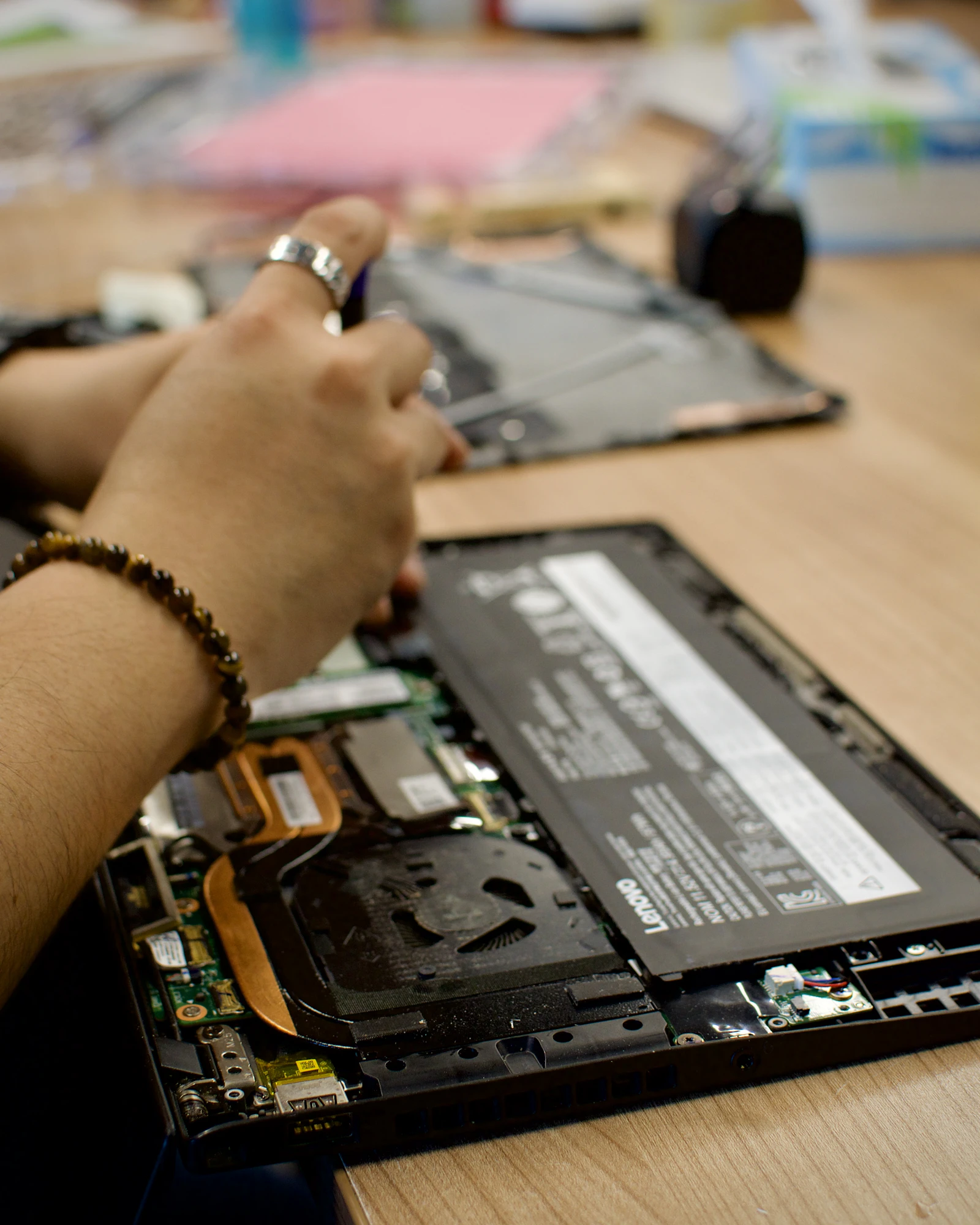
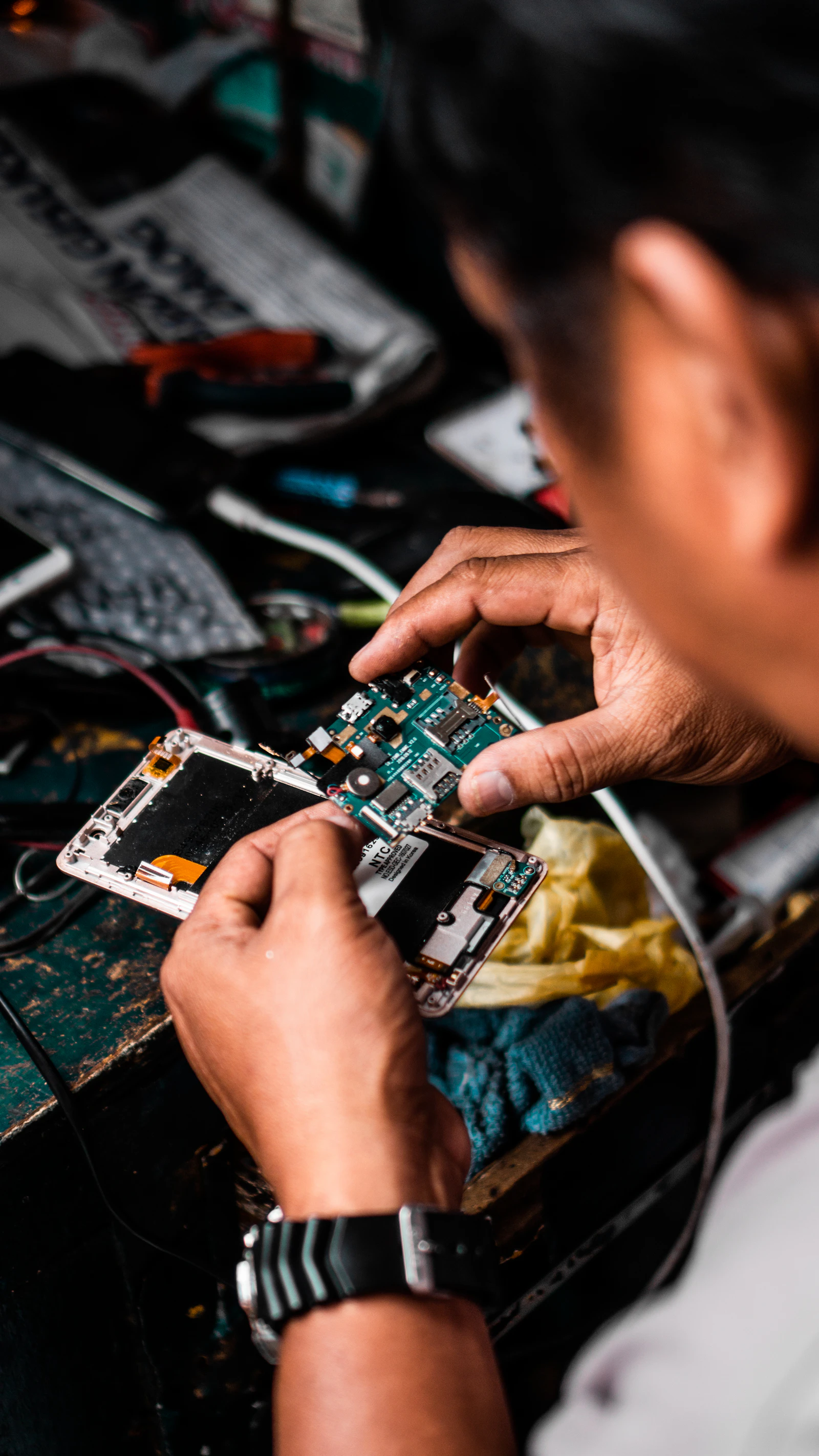
Ireland's repair rules changed on 31 July 2026 – and the shop counter is where customers will test them. The EU Right to Repair Directive is now Irish law through the European Union (Common Rules Promoting the Repair of Goods) (No. 2) Regulations 2026 (S.I. No. 373 of 2026). Much of the new duty sits with manufacturers. But retailers selling appliances, phones, tablets, e-bikes and electronics will feel it first: in returns conversations, in warranty wording and in what customers expect to find on the shelf. Here is what changed and how to get your shop ready.

Key takeaways
- Ireland's Right to Repair rules came into operation on 31 July 2026 (S.I. No. 373 of 2026).
- Customers still choose between repair and replacement for faulty goods, and you must tell them they have that choice.
- During a repair you may lend a replacement free of charge; a refurbished replacement is allowed only if the customer expressly agrees.
- For goods bought from 31 July 2026, how repairable a product is now counts when judging whether it conforms to the contract.
- Manufacturers of listed products – appliances, phones, tablets, e-bike batteries and more – must offer repairs where technically possible.
Right to Repair in Ireland: what actually changed
Irish consumers already had strong rights under the Consumer Rights Act 2022, and generally up to six years to bring a claim for faulty goods. The new Regulations build on that rather than replace it. In short:
- The seller's remedies stay. If goods are faulty, the trader that sold them is still responsible for putting it right under the Consumer Rights Act.
- Repair is encouraged. The Regulations aim to favour repair over replacement where that makes sense.
- Repairability now matters. For goods bought from 31 July 2026, repairability is a factor in deciding whether goods conform to the contract.
- Manufacturers must repair listed products on request where repair is technically possible – including after the seller's liability has ended.
- New repair information and platforms are coming, so customers can compare repair offers.
What you must do at the counter
| Situation | What the rules say | What to do |
|---|---|---|
| A customer returns a faulty product | They choose between repair and replacement | Tell them they have that choice – put it in your staff script |
| They choose repair | Free of charge, within a reasonable time, without significant inconvenience | Agree a timescale and keep the customer updated |
| The repair will take a while | You may lend a temporary replacement free of charge | Keep a few loan units for your best sellers |
| They choose replacement | A refurbished item is allowed only if the customer expressly agrees | Ask, and record their agreement |
Which products are covered by the manufacturer's repair duty?
The manufacturer's obligation applies to a list of products set out in EU law, which may grow over time. It currently includes:
- Washing machines and washer-dryers
- Fridges and freezers
- Dishwashers
- Tumble dryers
- Vacuum cleaners
- Televisions
- Domestic space heaters
- Smartphones and cordless phones
- Tablets
- Batteries for light means of transport, such as e-bikes and e-scooters
- Servers and data storage
- Welding equipment
Manufacturers must repair these products within a reasonable time, make spare parts and tools available at reasonable prices, and may not refuse simply because someone else repaired the item before. They can use other repairers, but stay responsible.
The European Repair Information Form
Repairers – including retailers that offer repairs – may provide a free European Repair Information Form before the customer commits. If they do, the terms must hold for at least 30 days. Even without the form, the customer must get the cost and terms before agreeing. A diagnosis charge is allowed only if the customer is told the amount and agrees to it, and it can be deducted from the repair price.
Repair platforms are coming
The European Commission is setting up an EU online repair platform, and Ireland will set up a national one linked to it, both by 31 July 2027. Registration is voluntary for repairers, refurbishers, sellers of defective goods for refurbishment and community repair groups. For a shop with a repair counter or a refurbished range, it is free visibility worth planning for.
Turn repair into a reason to visit
Done well, repair is not a cost – it is footfall. Shops that embrace it are building:
- A clear repair and returns point at the counter, with the customer's options spelt out on a simple sign.
- A refurbished range on its own fixture, clearly labelled as refurbished, with its warranty.
- A spare-parts and accessories wall – cables, chargers, batteries, cases, filters, vacuum bags. From 18 February 2027, the EU Batteries Regulation requires portable batteries in newly placed appliances to be removable and replaceable by the user, with limited exceptions. Replacement batteries become a product line.
- USB-C as standard: under the EU common charger rules, phones, tablets, earbuds, cameras and more have used USB-C since 28 December 2024, and laptops since 28 April 2026. Devices can be sold without a charger, so stock chargers and cables separately.
 Rotating Countertop Display – Qub
Spinner for cables and small parts
View product →
 Blister Display Extra Hooks – Set of 4
Add hooks for packaged accessories
View product →
 Adjustable Shelving Unit – Wally Sei
Wall shelving for a refurbished range
View product →
 Adjustable Floor Display Unit – Adapti 600
Floor unit for accessories and parts
View product →
Watch your wording
Since 27 September 2026, inaccurate claims about how long a product lasts, or whether it can be repaired, are banned under Ireland's green transition rules. "Built to last a lifetime" on a shelf card needs to be true. See our guide to green claims rules in Ireland.
A five-step plan for your shop
- Rewrite your returns and warranty wording so it mentions the customer's choice of repair or replacement.
- Brief the team with a one-page script for faulty-goods conversations.
- Ask suppliers how they will handle manufacturer repairs and spare parts for listed products.
- Decide on loans and refurbished stock: will you offer loan units, and will you sell refurbished goods?
- Merchandise repair: a parts-and-accessories fixture and a clear repair sign at the counter.

Part of our guide to EU retail rules for Irish shops. See also the General Product Safety Regulation for retailers.
FAQ
Do I have to repair everything a customer brings back?
No. Your duties for faulty goods still come from the Consumer Rights Act. The new manufacturer repair duty covers a list of products, mainly larger appliances and electronics.
Can I give a refurbished product as a replacement?
Only if the customer expressly agrees.
Can I lend a customer something while their item is repaired?
Yes. The rules give traders more flexibility to lend temporary replacement goods free of charge during repairs.
Does this apply to goods bought before 31 July 2026?
The repairability factor applies to goods bought from 31 July 2026. Check the CCPC guidance for how the manufacturer duty applies to older products.
Sources
- CCPC – European Union (Common Rules Promoting the Repair of Goods) (No. 2) Regulations 2026
- A&L Goodbody – Irish implementation of the Right to Repair Directive
- ERP Ireland – Ireland transposes the EU Right to Repair Directive
- ComReg – Common Charger Directive
- Fieldfisher – EU Batteries Regulation removability requirements
This article is a practical summary, not legal advice.