

Farm Shop & Deli Display Ideas: How to Fit Out an Irish Food Shop That Sells
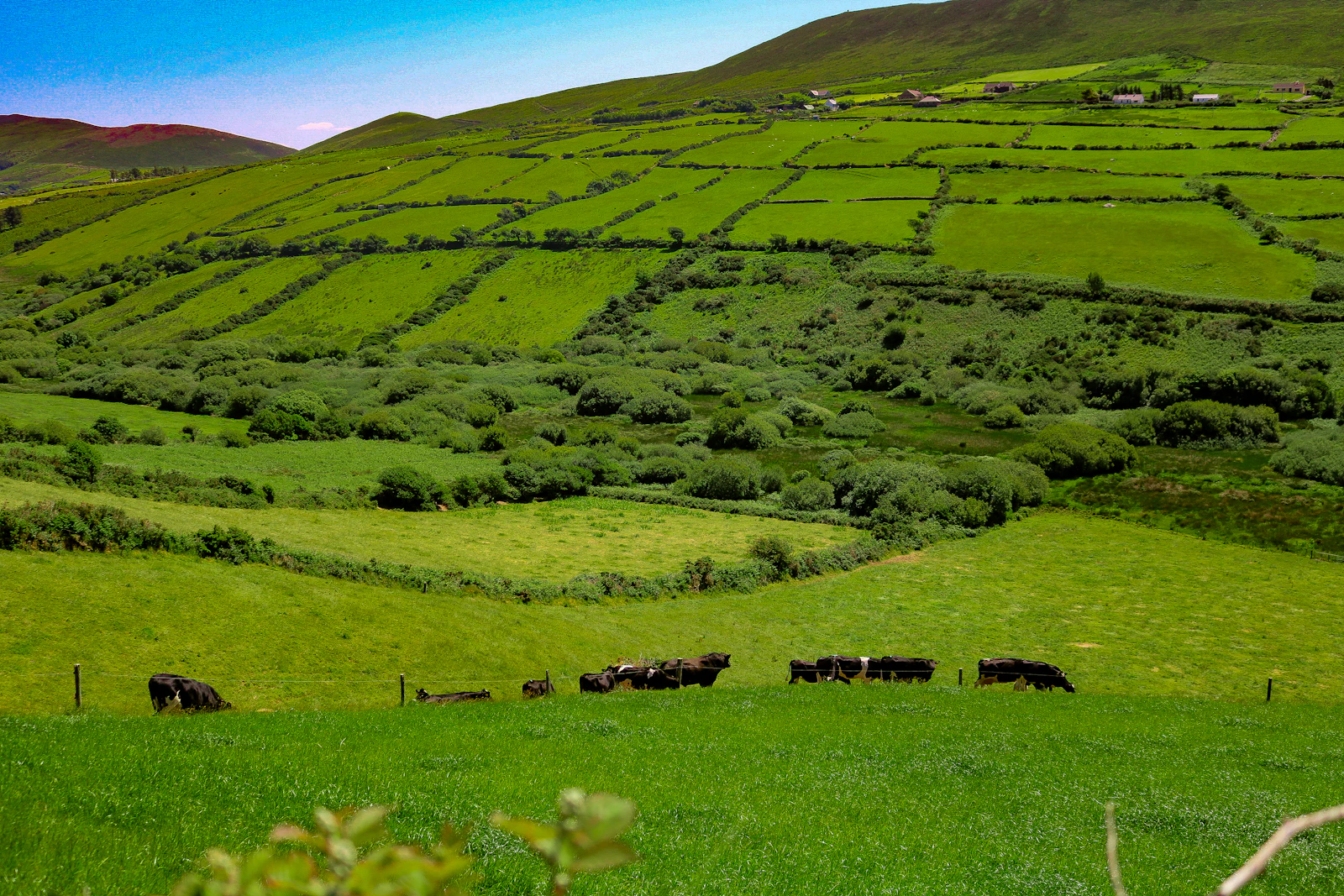
Nobody drives out to a farm shop for convenience. They come for the story – the farm down the road, the cheese from West Cork, the honey from a hive they could walk to. Irish farm shops and delis are thriving because they sell something a supermarket cannot: provenance you can see and taste. The job of your displays is to make that story obvious from the door. Here is how to lay out a farm shop or deli that sells – and the food rules that decide what goes on the chalkboard.
Key takeaways
- Lead with colour: fresh produce in crates and baskets at the entrance.
- Make the deli and cheese counter the heart of the shop, with the ambient larder around it.
- Every food business must register before it starts trading – with the HSE, the Department of Agriculture or the SFPA, depending on the food.
- Allergen information for loose food must be in writing, specific to each item and easy to find without asking.
- Words like "artisan", "farmhouse", "traditional" and "natural" have FSAI guidance behind them – use them only when they are true.
Farm shop display ideas: let the produce do the talking
The best farm shops look generous, seasonal and handled – as if the produce arrived this morning, because it did. A few principles carry the whole floor:
- Abundance, not clutter. Full crates look fresh; half-empty ones look like leftovers. Use smaller crates when stock is low.
- Raise it up. Tilt crates towards the customer and build tiers, so the eye travels across colour rather than down into a box.
- Chalk the story. A short line on each crate – the farm, the townland, the variety – does more than any poster.
- Natural materials. Timber, wicker and slate say "farm" before anyone reads a word. Plastic says "supermarket".


Zone the shop like a market hall
- Entrance – fresh produce. Fruit, vegetables, eggs and flowers in crates and baskets. Colour pulls people in.
- The heart – deli and cheese counter. Cooked meats, cheese, olives, salads and hot food. Put it where it can be seen from the door.
- The larder – ambient shelves. Jams, chutneys, honey, oils, flour, crackers. Block by producer so each maker's story stays together.
- Bakery. Bread on open wooden shelves or baskets near the counter, where the smell does the selling.
- Chilled grab-and-go. Lunches, juices and ready meals by the till for the weekday trade.
- Gifts and hampers. A dedicated table that changes with the season – and becomes the busiest corner in December.
Think of the route like Cork's English Market: wander in for the atmosphere, leave with a full bag.


Shelving that tells the producer's story
ESPOSIT, the Italian manufacturer we represent in Ireland and the UK, designs open timber shelving that suits jars, pouches and boxes – the larder end of a farm shop. Its "make your display unique" work shows how a simple slot-together A-frame unit can be dressed in a producer's own colours and patterns, so the shelf itself becomes part of the brand.


When the display has to explain the product
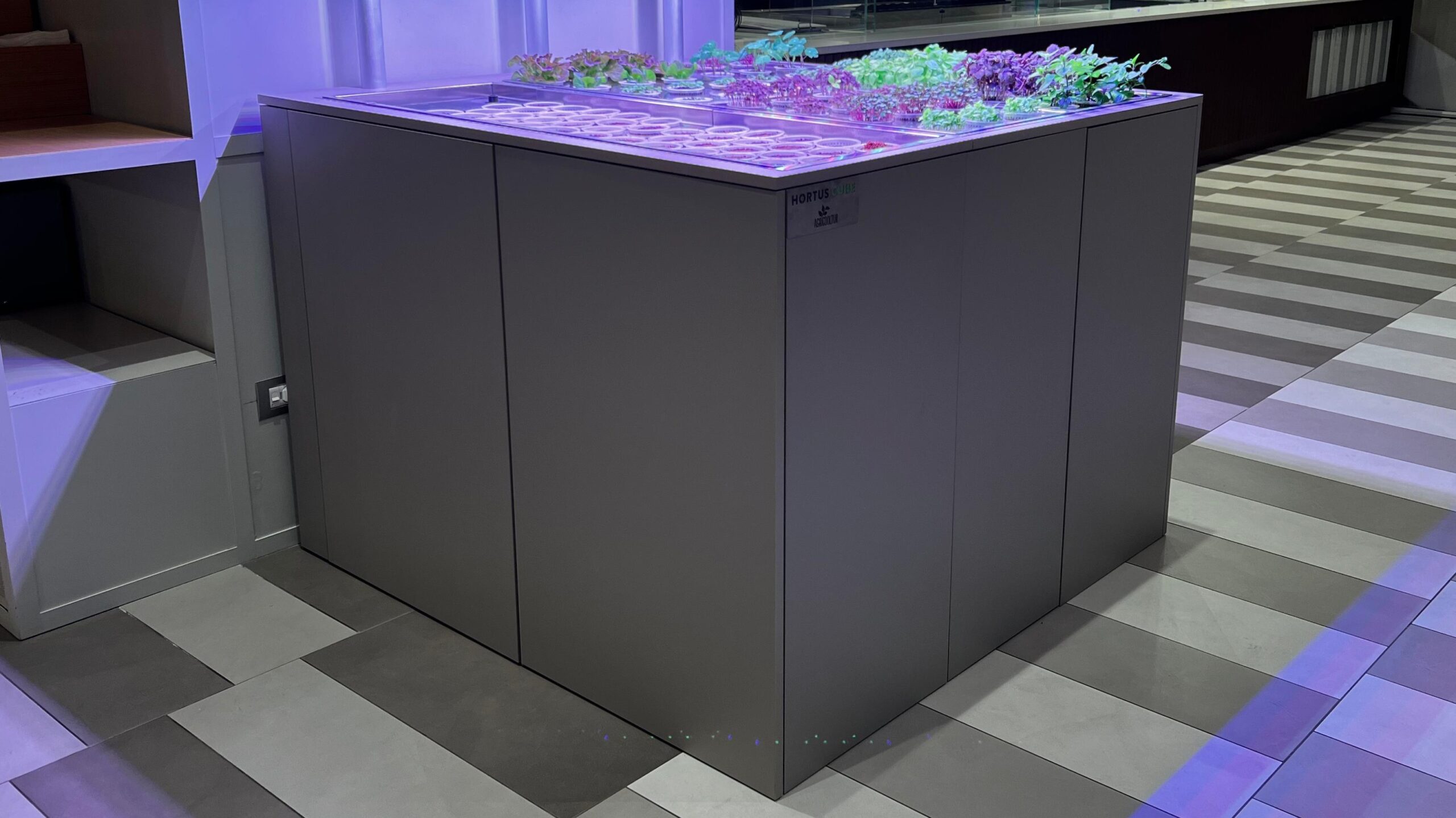
For Agricooltur, a start-up producing fresh, living vegetables with aeroponic growing systems, ESPOSIT designed a display that is also an information board: seedlings on leaf-shaped shelves, space at the base for transport material, and the brand's message printed on the unit. If you sell something customers have not seen before – raw milk cheese, a new grain, a local ferment – the same idea applies. Let the fixture do the explaining.

The food rules that shape your shop floor
1. Register before you trade
The Food Safety Authority of Ireland is clear: every food business must register before it starts operating, even from home. Who you register with depends on the food – the local HSE environmental health office, the Department of Agriculture, Food and the Marine, or the Sea-Fisheries Protection Authority for fish. Contact them early; they will tell you whether your premises and set-up are suitable.
2. Allergens for loose food – in writing
For non-prepacked food – the deli counter, the bread basket, the cheese board – you must show allergen information for the 14 regulated allergens in writing, under S.I. No. 489 of 2014 as updated by S.I. No. 656 of 2024. It must be:
- in English, or Irish and English, handwritten or printed and legible;
- findable before purchase without the customer having to ask – beside each item or in a clearly signposted central place;
- specific to each food – "Our food contains…" is not good enough.
Build it into the display: a chalk strip or label holder on every crate and counter tray, with room for the allergens as well as the name and price.
3. Choose your words carefully
The FSAI's guidance on marketing terms sets out what customers should be able to expect. In short:
| Term | What FSAI guidance expects |
|---|---|
| Artisan | Made in limited quantities by skilled craftspeople |
| Farmhouse | Not to be used if the food is produced in a factory |
| Traditional | Made using methods and recipes at least 30 years old |
| Natural | Not significantly interfered with by people, with strict limits on additives |
The guidance is best practice rather than law, but misleading descriptions are still against the law. And since 27 September 2026, vague claims like "eco-friendly" are banned unless you can prove them – see our green claims guide.
4. Scales fit for trade
If you sell by weight, your scales must be fit for trade use. NSAI Legal Metrology verifies weighing instruments on first use and after repair, and inspects them in shops. And when you sell by weight or volume, show the price per kilo or litre too.
The kit list: crates, boxes, baskets and counters
 Small Pine Wood Crate
31 × 23 × 15 cm, for eggs and small lines
View product →
 Wooden Crate with Chalkboard – Pack of 10
Name, origin and allergens on the front
View product →
 MaxSeven Pine Wood Box
60 × 40 × 23.5 cm, for potatoes and veg
View product →
 Retail Display Stand – Market 400
Tiered shelves for crates and baskets
View product →
 Food Display Unit – Caos 940.5
For jars, bottles and the larder
View product →
 Natural Pine Crate-Style Countertop Display
Made in Dublin, can carry your farm name
View product →
A year on the farm shop floor
| Season | Lead the floor with | Display idea |
|---|---|---|
| January – March | Root veg, soups, baking, St Patrick's Day | A "soup bundle" crate with veg, stock and bread together |
| April – June | New potatoes, salad leaves, the first strawberries, barbecue | Low tables near the door; berries at eye level |
| July – September | Summer fruit, picnics, festival trade, back to school | Grab-and-go picnic baskets by the till |
| October – December | Pumpkins, barmbrack, hampers, Christmas | A hamper table that grows week by week – see our Christmas display guide |

FAQ
What displays work best in a small farm shop?
Wooden crates and baskets on tiered stands for produce, open shelving for the larder, and one strong counter. Keep the floor flexible so it can change with the seasons.
Do I need to label allergens on loose food?
Yes. For non-prepacked food you must provide allergen information in writing, specific to each item, where customers can find it before buying.
Can I call my products "farmhouse" or "artisan"?
Only if they genuinely meet what the FSAI guidance describes – for example, "farmhouse" should not be used for food made in a factory.
Can you put our farm name on crates and displays?
Yes. We can brand crates, counter units and floor displays. Tell us about your shop.
Sources
- FSAI – Register your food business
- FSAI – Allergen information for non-prepacked food
- Irish Statute Book – S.I. No. 489 of 2014
- FoodNavigator – FSAI guidance on artisan, farmhouse, traditional and natural
- NSAI Legal Metrology – Enforcement information
- ESPOSIT – The display that communicates Agricooltur values
- ESPOSIT – Make your display unique
This article is practical guidance, not legal advice. Check with your registering authority for your own premises.